
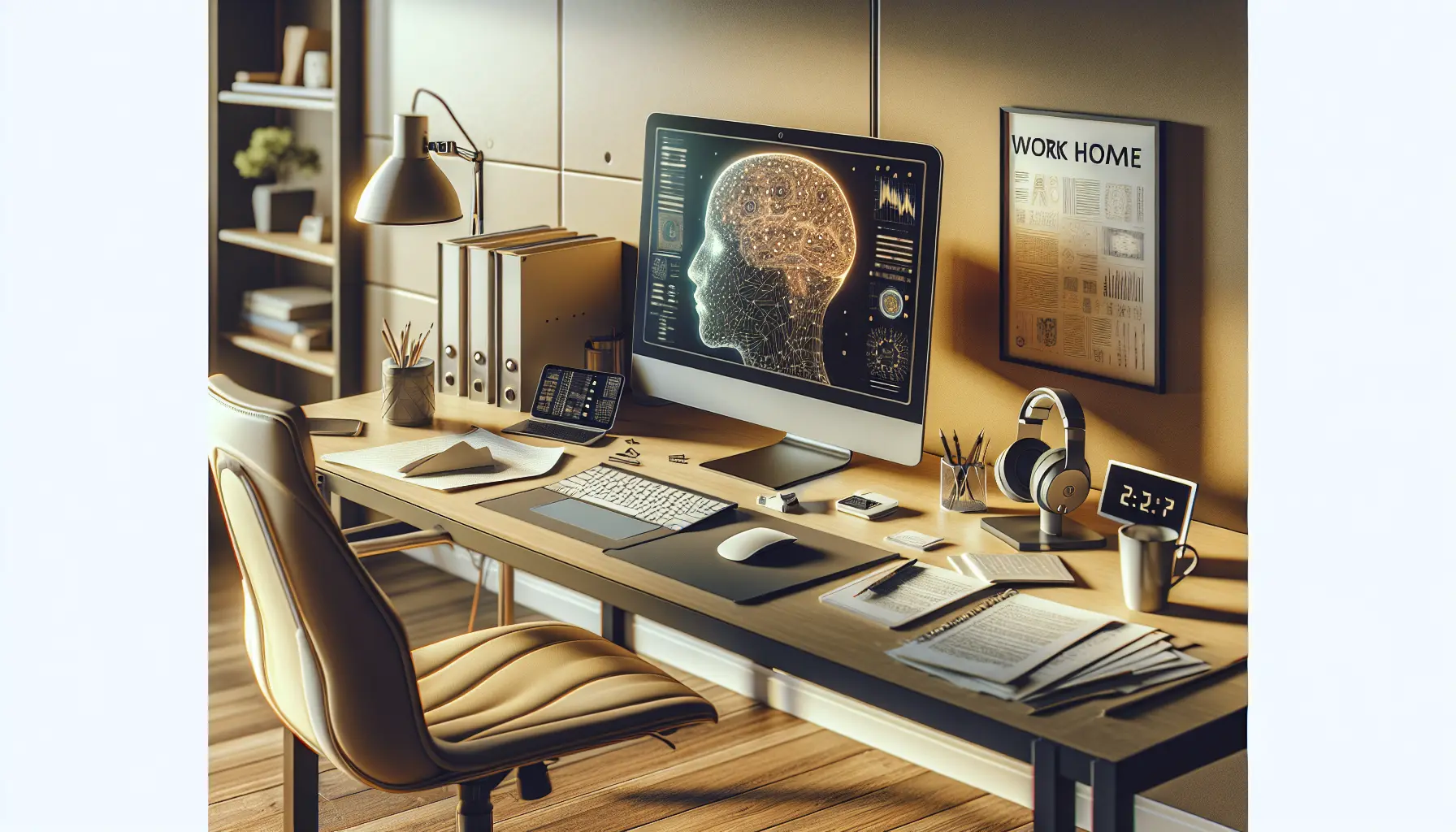
The Ultimate WFH Desk Setup: Essential Tech Gear for 2026
As we move into 2026, remote work continues to evolve, requiring a sophisticated approach to creating the ultimate work-from-home (WFH) desk setup. With technology advancing at a rapid pace, understanding the essential tech gear needed for an optimal home office is more important than ever. This guide explores how to craft a workspace that enhances productivity, comfort, and efficiency.
Understanding the Core Elements of a WFH Desk Setup
A successful WFH desk setup is more than just a collection of devices; it’s an environment tailored to facilitate focus and efficiency. The core elements include ergonomic furniture, high-performance technology, and seamless connectivity. These components work together to create a harmonious work environment that supports both mental and physical well-being.
Ergonomics plays a crucial role in maintaining comfort during long working hours. With adjustable chairs and desks, you can mitigate health risks associated with sedentary work. Meanwhile, technology such as laptops, monitors, and peripherals should be chosen based on performance and compatibility to ensure smooth workflow.
Why a Well-Equipped Home Office Matters
Investing in a well-equipped home office is not merely about comfort; it’s about enhancing productivity and job satisfaction. A thoughtfully designed workspace can reduce stress and distractions, allowing for better concentration and creativity. As companies increasingly adopt flexible work policies, having a reliable and efficient home setup becomes essential.
Moreover, a well-designed home office can lead to significant cost savings. By minimizing the need for commuting and reducing the frequency of hardware upgrades through smart purchasing decisions, you can achieve a more sustainable work model.
General Information About Tech Gear for 2026
The landscape of tech gear in 2026 is shaped by innovations aimed at improving the remote work experience. From AI-driven devices that automate routine tasks to advanced video conferencing tools, the focus is on enhancing connectivity and collaboration. The rise of smart home technology also plays a role in creating an integrated work environment.
In 2026, expect to see more unified communication platforms that combine messaging, video, and project management tools in one interface. This convergence helps streamline workflows and enhances team collaboration, regardless of geographical barriers. Additionally, cybersecurity remains a top priority, with more robust solutions designed to protect sensitive data in remote settings.
Read More: The Ultimate Guide to Zero-Trust Cybersecurity for Small Businesses
Industry Impact: Transformative Changes Across Sectors
The shift to comprehensive WFH setups has impacted multiple industries, each adapting in unique ways to the remote work paradigm.
Technology Sector
The technology industry has been at the forefront of the WFH revolution, driving innovation in remote work tools. Companies are investing heavily in cloud computing and AI to offer seamless and secure solutions for distributed teams. The focus is on creating platforms that facilitate real-time collaboration and data sharing.
- Enhanced cloud-based services for flexibility and scalability.
- Advanced AI tools for automating routine tasks and improving efficiency.
- Increased investment in cybersecurity to protect remote infrastructures.
Healthcare Industry
The healthcare sector has embraced remote work through telemedicine and digital health platforms. These technologies enable healthcare professionals to consult with patients virtually, expanding access to care while maintaining safety protocols.
- Telehealth systems integrated into home office setups for remote consultations.
- Wearable technology for monitoring patient vitals remotely.
- Secure data management systems to protect patient information.
Education Sector
The education industry has seen a significant transformation with the adoption of e-learning platforms and virtual classrooms. These tools allow educators to connect with students across the globe, facilitating a more inclusive learning experience.
- Interactive e-learning tools that engage students remotely.
- Virtual reality platforms for immersive educational experiences.
- Learning management systems that track student progress and performance.
Expert Interviews & Predictions
To gain deeper insights into the future of WFH setups, we spoke to several industry experts.
“The future of remote work lies in adaptable technology that evolves with user needs,” says Sandra Lopez, a leading tech strategist at Innovate Solutions. “We’re moving towards a more integrated ecosystem where devices communicate seamlessly to enhance productivity.”
Dr. Jonathan Meyers, an ergonomics specialist, predicts, “As remote work becomes the norm, we will see a greater emphasis on ergonomic design and wellness features in home offices. Companies will prioritize employee health as a key component of their remote work strategies.”
Top 5 Sustainable Tech Gadgets That Actually Save You Money in 2026
Data-Driven Analysis: The Future of Remote Work
Analyzing current trends and projections, it’s clear that remote work will continue to grow. A recent study by Global Workplace Analytics predicts that by 2026, 30% of the workforce will operate primarily from home.
| Year | Remote Workforce Percentage | Key Developments |
|---|---|---|
| 2024 | 20% | Increased adoption of hybrid work models |
| 2025 | 25% | Advancements in AI and cloud technologies |
| 2026 | 30% | Enhanced focus on cybersecurity and connectivity |
Resources & Further Reading
For those looking to deepen their understanding of WFH setups and remote work technologies, consider exploring the following resources:
- Remote Work Revolution: A Comprehensive Guide – A detailed exploration of remote work trends and technologies.
- The Ergonomic Home Office – Tips and strategies for designing a comfortable workspace.
- Future of Work: Trends and Predictions – Insights into the evolving workplace dynamics.
Frequently Asked Questions
What are the essential components of a WFH desk setup?
The essential components include ergonomic furniture, high-performance technology, and secure connectivity solutions to ensure comfort and productivity.
How can I improve my home office for better productivity?
Focus on ergonomic setup, invest in reliable technology, and create a distraction-free environment to enhance your workflow efficiency.
What technology trends should I watch for in 2026?
Keep an eye on AI-driven tools, integrated communication platforms, and cybersecurity advancements as they will shape the future of remote work.
Conclusion
As we look towards 2026, the evolution of the WFH desk setup is clear. By prioritizing ergonomics, investing in cutting-edge technology, and fostering a secure digital environment, individuals and organizations can maximize productivity and well-being in the remote work landscape.
About the Author
Alex Jordan is a seasoned technology writer and remote work consultant. With over 15 years of experience, Alex specializes in helping businesses and individuals optimize their work-from-home strategies. Passionate about innovation and productivity, Alex continues to explore the future of work in the digital age.